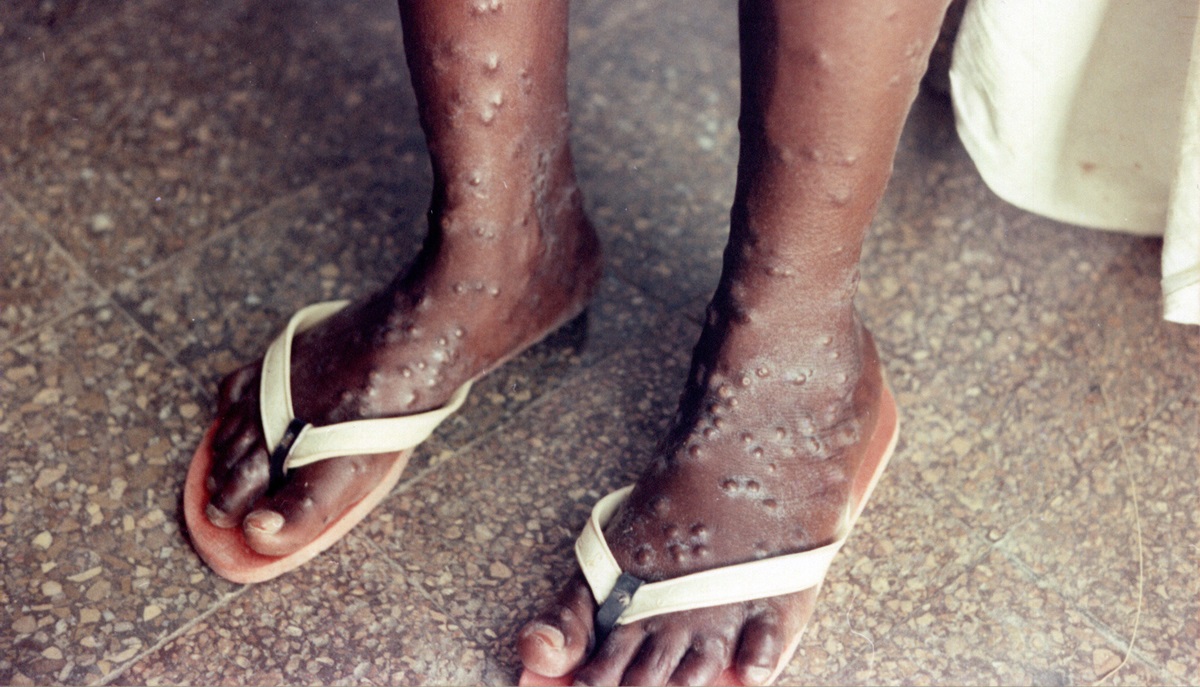
Variola Virus: Smallpox Symptoms, Progression, and Types
The mere mention of smallpox once struck fear into the hearts of humanity, a relentless scourge that claimed countless lives and left indelible marks on survivors. At the root of this devastating disease was the
Variola virus, an ancient foe that once haunted every corner of the globe. A member of the
Orthopoxvirus genus, Variola was responsible for smallpox, a highly contagious and often fatal illness characterized by a distinct rash that progressed into disfiguring pustules. While the last naturally occurring case was diagnosed in October 1977, and the World Health Organization (WHO) triumphantly certified its global eradication in 1980, the story of Variola remains a monumental chapter in medical history. Smallpox stands as the only human disease to have been completely wiped out, a testament to global cooperation and scientific endeavor. Understanding its symptoms, progression, and various forms offers crucial insights into both historical epidemics and the potential threats posed by other infectious diseases.
Understanding Variola Virus: The Cause of Smallpox
The
Variola virus, colloquially known as the smallpox virus, belongs to a family of viruses with characteristic brick-shaped virions and a double-stranded DNA genome. Its name, "Variola," is derived from the Latin word "varus," meaning "knot" or "pimple," aptly describing the distinctive lesions it caused. Historically, smallpox was also known by various other names like "Pocken" or "Blattern" in German, differentiating it from the "great pox" (syphilis).
Smallpox was primarily transmitted through airborne droplets from an infected individual, making close contact incredibly risky. The virus would enter the body via the respiratory tract, multiplying in the lymph nodes before spreading to other organs and eventually the skin. Before its eradication, the disease held communities captive for centuries, causing epidemics that ravaged populations and left behind a legacy of fear and permanent scarring. The successful eradication of Variola is not just a scientific victory but a powerful narrative of public health triumph, demonstrating what can be achieved with concerted global effort and widespread vaccination. It serves as a vital case study for addressing other global health challenges, even today.
The Incubation Period and Initial Onset of Smallpox
The journey of smallpox within an infected individual typically began with an incubation period lasting approximately 10 to 14 days, though it could range from 7 to 17 days. During this phase, the person felt well and showed no overt symptoms, yet the virus was silently replicating within their system. This asymptomatic period, however, meant that diagnosis was impossible until symptoms emerged, allowing the virus to potentially spread unknowingly.
The disease announced its presence with a sudden and often severe onset, marking the prodromal phase. Initial symptoms were non-specific but intensely debilitating:
- High Fever: A sudden spike in body temperature, often reaching 102-106°F (39-41°C), signaling the body's battle against the burgeoning infection.
- Chills: Accompanied by the fever, individuals experienced severe shivers and a profound feeling of cold.
- Intense Back Pain: A hallmark symptom, particularly severe lower back pain (Kreuzschmerzen), was highly characteristic of smallpox and a crucial diagnostic indicator in the early stages.
- Headaches: Throbbing and persistent headaches were common.
- Anorexia: A significant loss of appetite, often leading to weakness and dehydration.
- Vomiting and Nausea: These gastrointestinal disturbances further contributed to the patient's rapidly deteriorating general condition.
- General Malaise: An overwhelming feeling of unwellness, extreme fatigue, and severe discomfort left patients prostrate.
Often, around the second day of these prodromal symptoms, a transient, initial rash might appear, typically in the "thigh triangle" (inner thighs) or on the abdomen. This initial exanthem usually faded quickly, only to be followed by the definitive Variola rash a few days later. The severity of these early symptoms was a grim precursor to the difficult course the disease would take.
Smallpox Progression: From Rash to Pustules
The definitive skin manifestations of smallpox, which were so diagnostically crucial and terrifyingly characteristic, typically emerged around the third or fourth day after the initial symptoms began. This eruption stage often coincided with a noticeable drop in fever, falsely signaling a potential improvement before the full horror of the rash unfurled.
The progression of the rash was systematic and distinctive:
- Roseola (Macular Rash): The rash began as small, flat, red spots (roseola) appearing first on the face, hands, and forearms, then spreading to the trunk and lower extremities. Unlike other viral rashes, the smallpox rash was *centrifugal*, meaning it was densest on the face and extremities, and *synchronous*, with all lesions in a particular area progressing through the same stage simultaneously.
- Papules: Within 1-2 days, these red spots transformed into firm, raised bumps known as papules.
- Vesicles: Over the next 1-2 days, the papules evolved into fluid-filled blisters (vesicles). These vesicles were deeply embedded in the skin and had a unique, hard, "shotty" feel when touched. A critical diagnostic feature was the presence of a central depression, or "umbilication," resembling a tiny navel, which was highly typical of the Variola pustule.
- Pustules (Suppuration Stage): Around the sixth day of the eruption stage, the vesicles became larger and filled with thick, opaque pus, turning into painful pustules. This phase, known as the suppuration stage, brought with it a renewed surge in fever, signaling a secondary bacterial infection or intense inflammatory response. The pustules were surrounded by a dark, swollen edge, further emphasizing their sinister appearance.
- Crusts and Scabs (Desiccation Stage): Approximately two weeks after the rash first appeared, the pustules began to dry out and form thick, dark crusts or scabs. This desiccation stage marked a decrease in fever, but the patient remained highly infectious until all scabs had fallen off.
- Scarring: Once the scabs detached, they left behind the characteristic deep, pitted scars, especially prominent on the face. These "pockmarks" were a permanent reminder of the disease and often caused significant psychological distress to survivors. Even after the scabs were gone, a lethal outcome was still possible, particularly in severe cases due to complications like sepsis or pneumonia.
The distinct stages and patterns of the smallpox rash were crucial for diagnosis, setting it apart from other diseases with similar initial symptoms, such as chickenpox, where lesions appear in "crops" at different stages of development. To learn more about the complete journey of this disease, consider reading
Understanding Variola: From Blisters to Global Eradication.
Differentiating Smallpox Types: Variola Vera, Haemorrhagica, and Mitigata
While the general progression of smallpox was consistent, the severity and manifestation varied, leading to different clinical classifications based on the patient's immune status and the virulence of the
Variola virus strain.
Variola Haemorrhagica (Black Pox)
This was the most severe and almost universally fatal form of smallpox. Often referred to as "black pox," Variola haemorrhagica struck with overwhelming force. Patients typically exhibited intense prodromal symptoms, followed by an absence of the typical rash development. Instead, their skin would darken, and they would develop widespread, innumerable hemorrhages (bleeding) beneath the skin and mucous membranes, including the eyes, mouth, and gastrointestinal tract. This catastrophic internal and external bleeding led to rapid shock and death, usually within 3 to 5 days of symptom onset. The dark discoloration of the skin was due to the widespread hemorrhages.
Variola Vera (Ordinary Smallpox)
This was the most common form of smallpox, accounting for the majority of cases and deaths. Variola vera followed the classic progression described above: from red spots (macules) to firm bumps (papules), then fluid-filled blisters (vesicles) with central depressions, and finally to pus-filled pustules. The suppuration stage brought a secondary fever, and survivors were left with distinctive, often disfiguring, pitted scars, particularly on the face. While more survivable than the haemorrhagic form, Variola vera still had a high mortality rate, ranging from 30% to 50%, especially in unvaccinated individuals. Complications like sepsis, pneumonia, encephalitis, and blindness were common.
Variola Mitigata (Modified Smallpox) and Variolois
These forms represented milder manifestations of the disease, typically seen in individuals who had been previously vaccinated against smallpox or had some partial immunity. The term
Variola mitigata (from Latin
mitigatus, meaning "mildened") directly refers to this attenuated course. In these cases:
- The number of lesions was significantly reduced.
- The lesions themselves were smaller and developed more quickly, often skipping the full pus-filling stage.
- Instead of extensive pustules, the lesions might dry up and heal without extensive pus formation, or they might form small nodules with a blister that, upon drying, left a warty elevation (Variolois verrucosa).
- The fever and systemic symptoms were less severe, and the overall duration of the illness was shorter.
- Scarring was minimal or absent.
- Mortality rates were very low, often less than 1%.
Variolois was essentially a synonym for Variola mitigata, describing a milder disease in partially immune individuals. The presence of these milder forms highlighted the protective power of vaccination, even if incomplete, in reducing the severity and lethality of the disease. Diagnosis for all types relied on the sudden onset of chills and severe back pain, and historically, confirmation could involve detecting Guarneri bodies—viral inclusion bodies—through inoculation onto rabbit corneas.
The End of an Era: Smallpox Eradication and its Legacy
The story of the
Variola virus is uniquely intertwined with the monumental achievement of its eradication. In 1980, the World Health Organization (WHO) declared smallpox globally eradicated, a feat unparalleled in the history of medicine. This victory was the culmination of a global vaccination campaign launched in 1967, employing a combination of mass vaccination, surveillance, and containment strategies. This eradication effort, spearheaded by the WHO, involved meticulous tracking of every outbreak, isolating patients, and vaccinating everyone in the vicinity, often referred to as "ring vaccination."
The successful elimination of smallpox stands as a beacon of hope and a powerful testament to humanity's capacity to overcome devastating diseases through scientific innovation, international cooperation, and dedicated public health initiatives. It is the only human disease to be completely eradicated, making its story a unique and critical lesson for future global health challenges. The knowledge gained from combating
Variola continues to inform strategies for controlling and potentially eradicating other infectious diseases. For a deeper dive into this historical achievement, explore
Variola: The Only Human Disease Eradicated Globally. The lessons learned from the smallpox eradication campaign are invaluable, reminding us of the importance of global surveillance, rapid response, and equitable access to life-saving interventions like vaccines.
The Variola virus, though no longer a threat to human populations, remains under strict containment in secure laboratories for research purposes. Its existence serves as a potent reminder of both the destructive power of pathogens and the incredible potential of human ingenuity when united against a common enemy. The historical understanding of smallpox symptoms, progression, and types continues to be a cornerstone of infectious disease epidemiology and public health education.